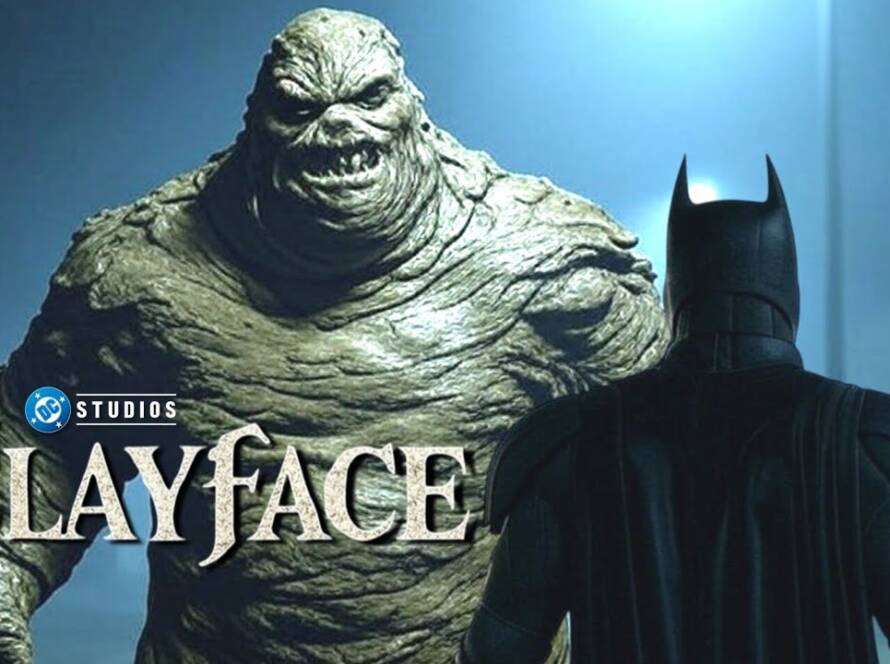
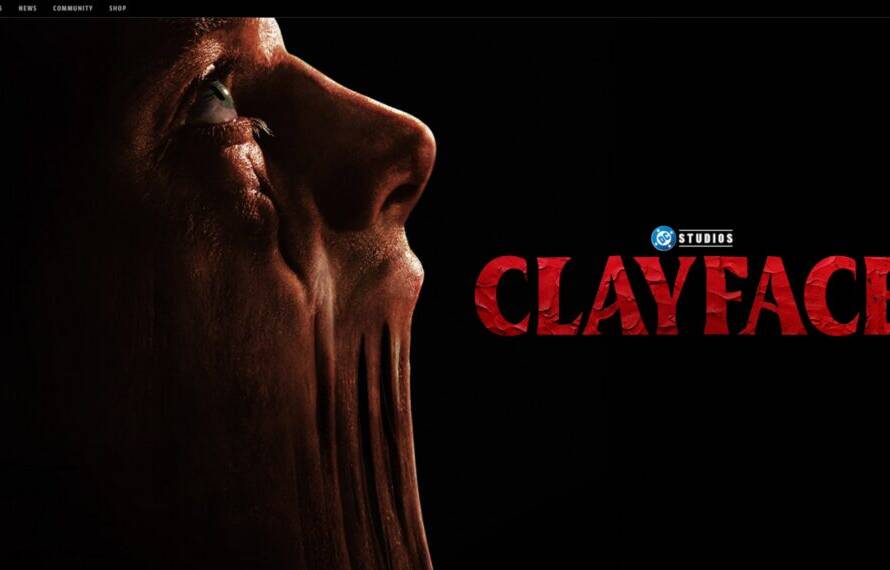
DC Studios’ upcoming horror film puts Gotham City under the spotlight, creating a grim, decaying world where Batman’s influence can be felt even when the Dark Knight is nowhere to be seen.
Gotham City has always been more than a backdrop for Batman. Its towering architecture, corrupt institutions, dangerous streets, and desperate inhabitants have helped define the mythology of the Dark Knight for generations.
But what happens when a film enters Gotham without making Batman its central character?
That is the creative challenge facing director James Watkins with Clayface, DC Studios’ upcoming body-horror film starring Tom Rhys Harries as Matt Hagen. Rather than building the story around a superhero confronting a villain, the film explores the transformation of a Hollywood actor into one of Batman’s most unsettling adversaries.
And according to Watkins, the city itself is essential to making that transformation believable.
A Gotham That Feels Rotten From the Inside
For Watkins, Gotham needed a visual identity that felt distinct from the other cities in the DC Universe.
The director and production designer James Price drew inspiration from street photography of the 1980s and 1990s, particularly images capturing the glamour, eccentricity, and menace of urban life. They also looked towards German Expressionist cinema, known for its distorted architecture, oppressive compositions, and environments that reflect the psychological states of their characters.
The result is a Gotham designed to feel physically imposing and institutionally broken.
Buildings loom over ordinary people. Streets feel neglected. The city’s decay is visible rather than hidden behind glossy skyscrapers or stylised superhero spectacle.
In an interview published by DC, Watkins described Gotham as a corrupt place where rubbish remains uncollected and the surrounding architecture can make individuals feel insignificant. <Link url=”https://www.dc.com/blog/2026-10-19/clayface-will-show-you-why-people-still-live-in-gotham-city” title=”Read DC’s feature on the film’s vision of Gotham City”/>.
This approach gives the setting a purpose beyond visual atmosphere. Gotham becomes an environment capable of shaping the people who live in it, influencing their ambitions, vulnerabilities, and decisions.
Batman’s Shadow Without Batman on Screen
One of the most interesting aspects of Clayface is its relationship with Batman.
The film follows Matt Hagen rather than Bruce Wayne, but its setting inevitably carries the history of Gotham’s most famous resident. Watkins has explained that the city’s identity makes Batman’s influence feel inherent, even when the story is not directly about him.
That is an effective way to approach a shared fictional universe. Batman does not need to appear in every story for his existence to matter.
His presence can be reflected in the city’s criminal underworld, the public’s relationship with fear, and the broader conditions that allow characters like Clayface to emerge.
For DC Studios, this also creates room to establish its version of Gotham independently of the separate world depicted in Matt Reeves’ The Batman films.
Instead of simply recreating a familiar cinematic city, Watkins is developing a setting suited to the tone and themes of the new DC Universe.
Why Clayface Belongs in This Version of Gotham
Matt Hagen begins the story as an ambitious actor whose career is derailed after a violent encounter leaves his face disfigured. When conventional treatments fail, he turns to experimental science in the hope of recovering his former appearance.
The treatment changes far more than his face.
As Hagen’s body begins to transform, his pursuit of a return to normality becomes increasingly destructive. His story moves into body horror, examining the relationship between physical identity, professional ambition, and psychological deterioration.
Gotham provides the right environment for this kind of tragedy. It is a city where criminal violence and scientific experimentation can intersect, where people can fall through the cracks, and where the consequences of desperation can become monstrous.
Clayface’s origin is therefore connected to Batman’s world without requiring the familiar structure of a superhero investigating a crime and arriving to stop the villain.
The city supplies the context. Hagen’s choices supply the conflict.
A Different Visual Language for the DC Universe
DC’s fictional cities have traditionally served different narrative purposes. Metropolis represents a more optimistic vision of urban life, while Gotham is associated with corruption, gothic architecture, and moral uncertainty.
Clayface pushes that contrast further by giving Gotham a visual language shaped by urban decay and psychological horror.
Watkins’ approach draws on cinema that makes environments feel oppressive and emotionally charged. Architecture becomes a source of tension, while the city’s physical condition reinforces the instability of the people inhabiting it.
This matters because a shared universe needs more than recurring characters and references. Its individual stories also need distinctive identities.
A horror film should not necessarily look or feel like a traditional superhero adventure. By allowing Gotham to become part of the horror experience, Clayface can establish its own tone while remaining recognisably connected to Batman’s mythology.
Can Gotham Carry a Story Without Its Most Famous Resident?
Batman has dominated Gotham’s cinematic identity for decades. That makes a film centred on one of his enemies an opportunity to explore parts of the city that superhero stories often leave in the background.
Clayface focuses on an ordinary human ambition—preserving a career and reclaiming a lost identity—and pushes it into extraordinary territory. Hagen’s transformation is frightening because it begins with a recognisable desire to recover what he has lost.
The city around him reflects that deterioration. Its corruption, violence, and oppressive atmosphere create a world in which his downfall feels connected to something larger than a single scientific experiment.
Whether the film ultimately expands the possibilities of DC’s cinematic storytelling will depend on how effectively it combines that world-building with Hagen’s personal story.
But its central idea is clear: Gotham does not need Batman standing on a rooftop to feel like Gotham.
Sometimes, the city’s darkness is enough.
SEO title: Clayface Director James Watkins Builds a Darker Gotham City
Meta description: James Watkins explains the vision behind Gotham City in DC Studios’ Clayface, exploring the film’s dark atmosphere, Batman’s influence, and its horror-driven approach.
Suggested URL slug: clayface-james-watkins-gotham-city-dcu
Focus keyphrase: Clayface Gotham City
Tags: Clayface, James Watkins, Gotham City, Batman, DC Studios, DC Universe, Tom Rhys Harries, Horror Movies, DC Movies